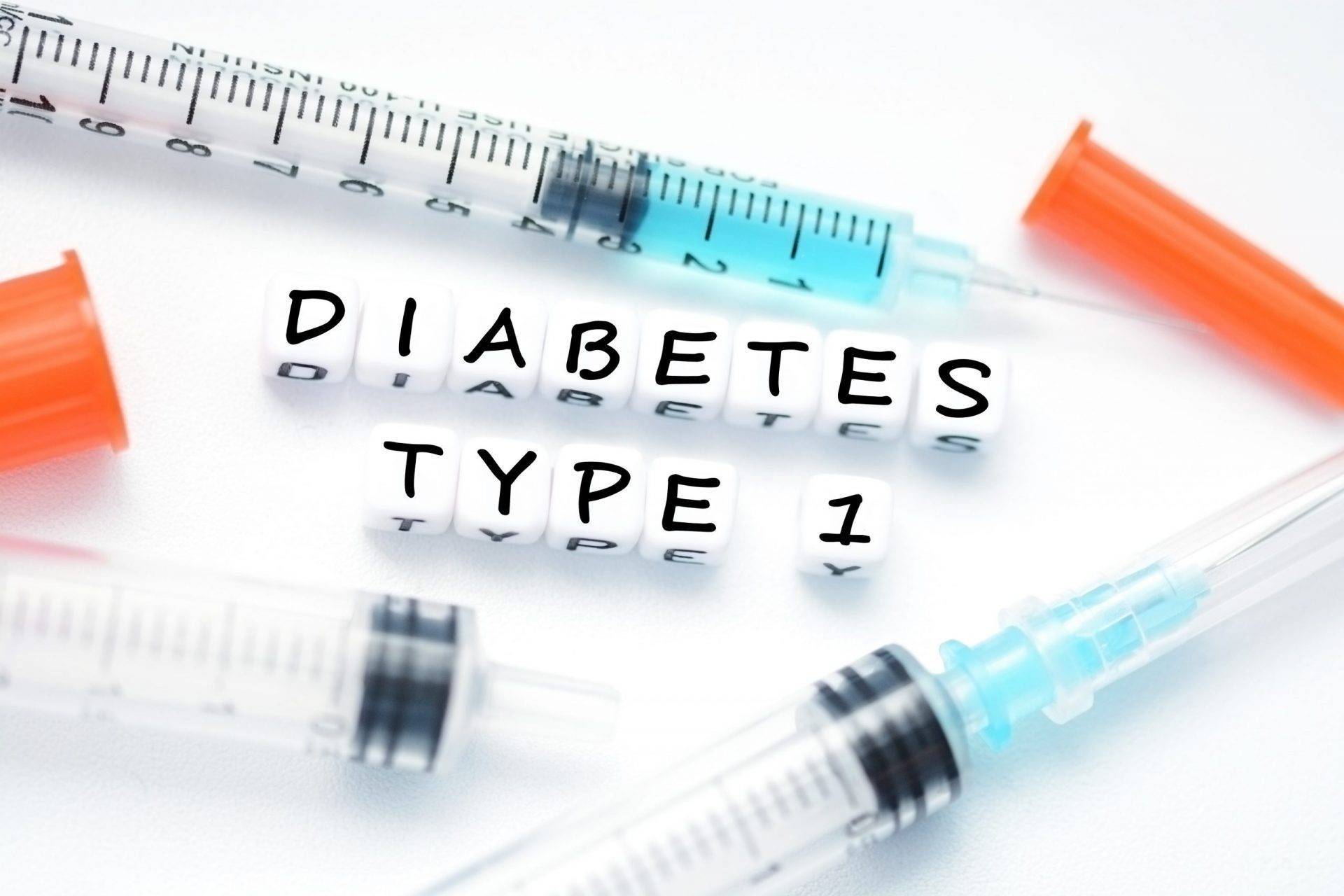
Type 1
Type 1 Diabetes is an autoimmune chironic disease that affects every part of the body. The body can't produce insulin and is a life-long condition. This type is also called “juvenile” diabetes.
Insulin is a hormone – a messenger transported in the blood that helps regulates body functions. Without insulin your body cannot get the energy it needs from the foods you eat.
Insulin is produced in the pancreas and released into the bloodstream. Here it enables the sugar in our foods to be transported to our cells and converted to energy. Without insulin we can't use the sugar in our blood, so the it builds up there. High blood sugar cause a number of symptoms such as dizziness, balance issues, extreme thirst, frequent urination, nausea.
People with T1 have to inject insulin daily because the pancreas can only produce insulin in very small quantities or not at all. Insulin therapy helps prevent fluctuations in blood sugar, and is also intended to prevent the complications that may develop from prolonged high blood sugars (hyperglycemia). Complications can be long-lasting,diabling and can affect many aspects of daily life.
T1 is more common in certain families. which means some people have a higher risk of developing it because of a genetic predispostion. Other things that may play a role include infections or environmental factors.
The focus of treatment is to monitor blood sugar, eat well, monitor food intake, use insulin. It is important to to have doctor who specializes in diabeties so you can have a care plan to help with daily management and to prevent long-term complications.