Gestational
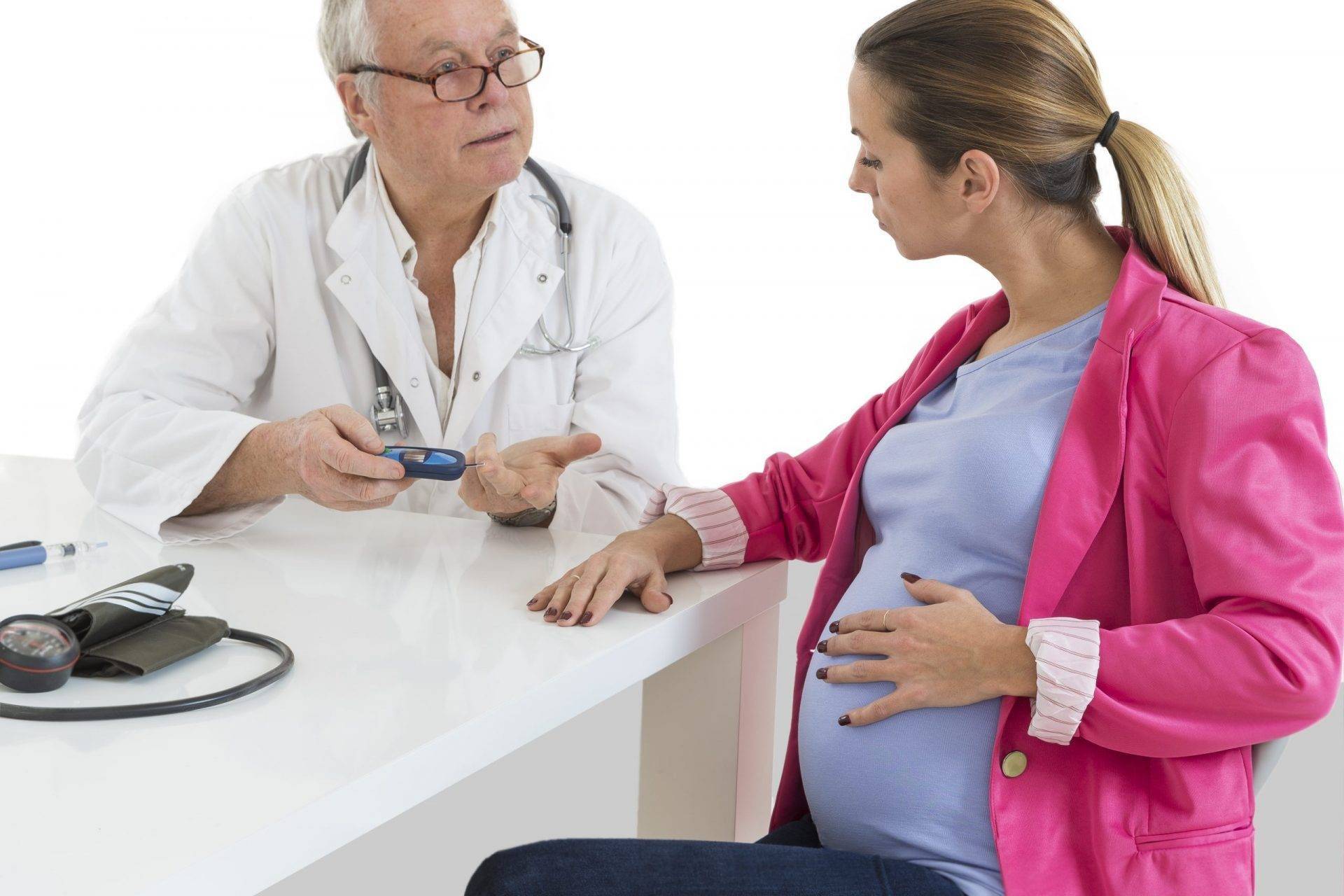
This happens for the first time when a woman is pregnant, usually diagnosed in the 24th to 28th week of pregnancy.
Most of the time, it goes away after your pregnancy, but it does increase you and your child's risk for developing obesity or T2 later on.
If you have gestational diabetes, you are more likely to develop preeclampsia, which is when you develop high blood pressure and too much protein in your urine during the second half of pregnancy.
Preeclampsia can cause serious or life-threatening problems for you and your baby. The only cure for preeclampsia is to give birth. If you have preeclampsia and have reached 37 weeks of pregnancy, your doctor may want to deliver your baby early. Before 37 weeks, you and your doctor may consider other options to help your baby develop as much as possible before he or she is born.
Gestational diabetes may increase your chance of having a cesarean section also called a C-section, because your baby may be large. A C-section is major surgery.
Over time, having too much glucose in your blood can cause health problems such as diabetic retinopathy, heart disease, kidney disease, and nerve damage.
High blood glucose levels during pregnancy can cause problems for your baby, such as:
- being born prematurely
- weighing too much, which can make delivery difficult and injure your baby
- having low blood glucose, after birth
- breathing problems
High blood glucose can increase the chance of a miscarriage, or a stillborn.